
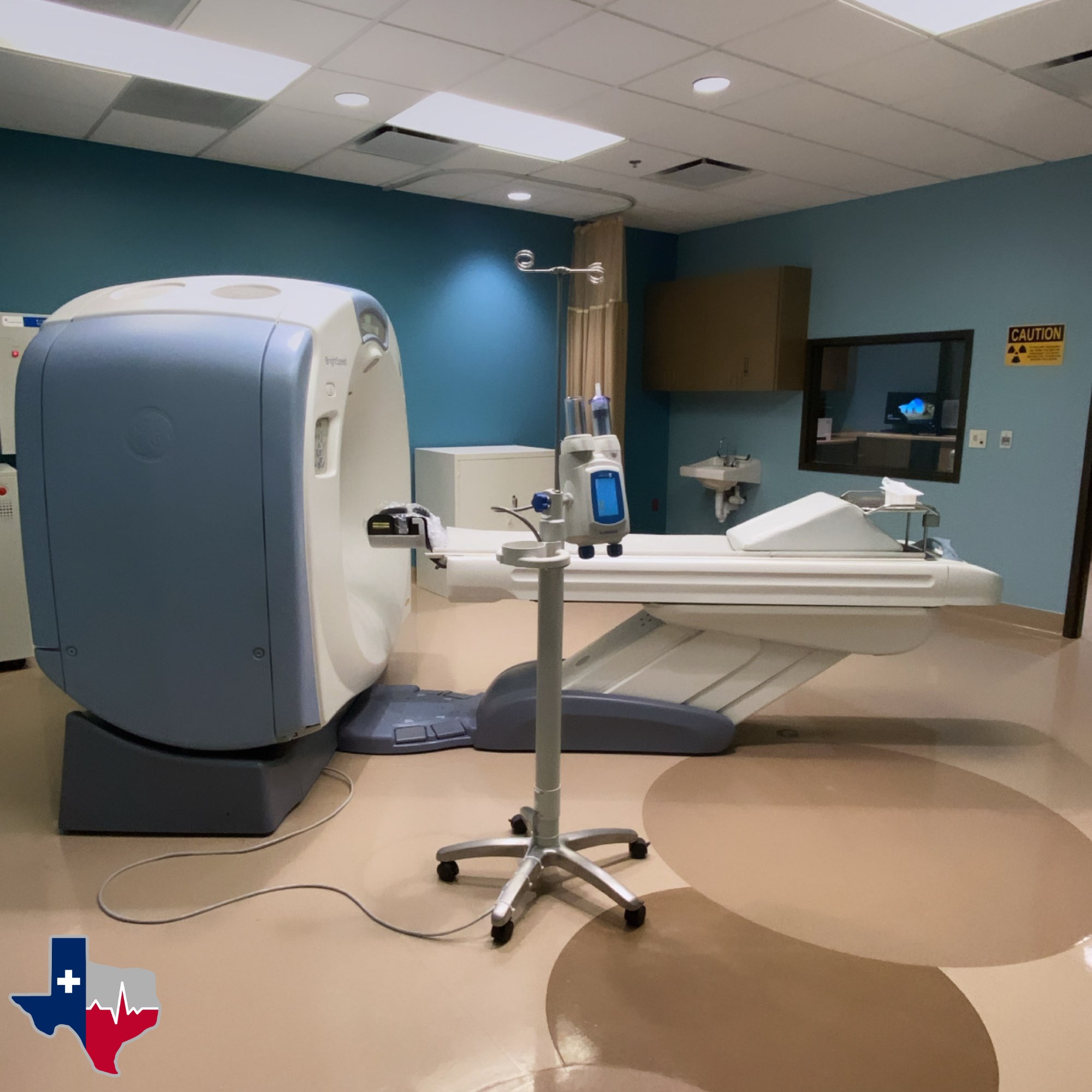
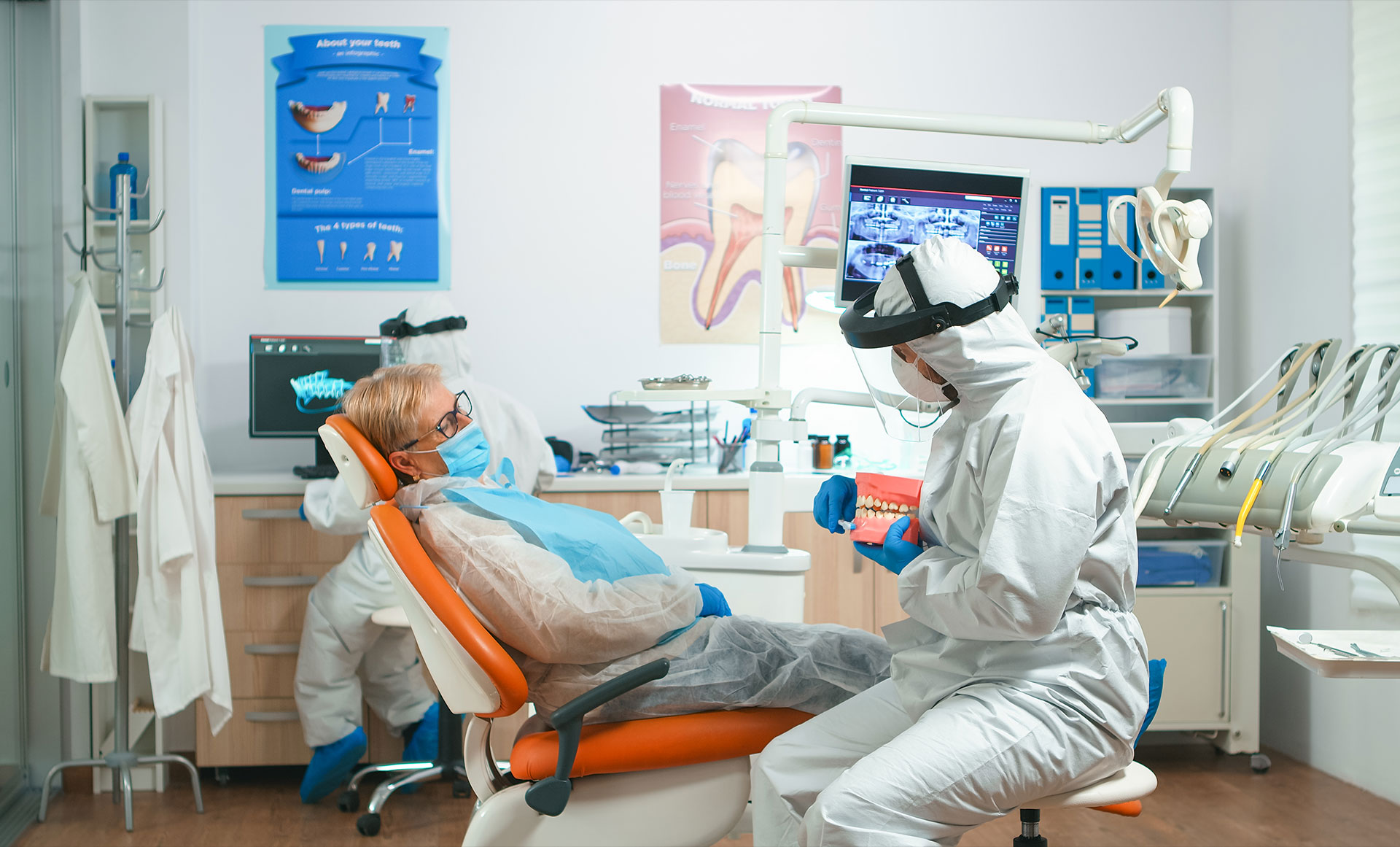
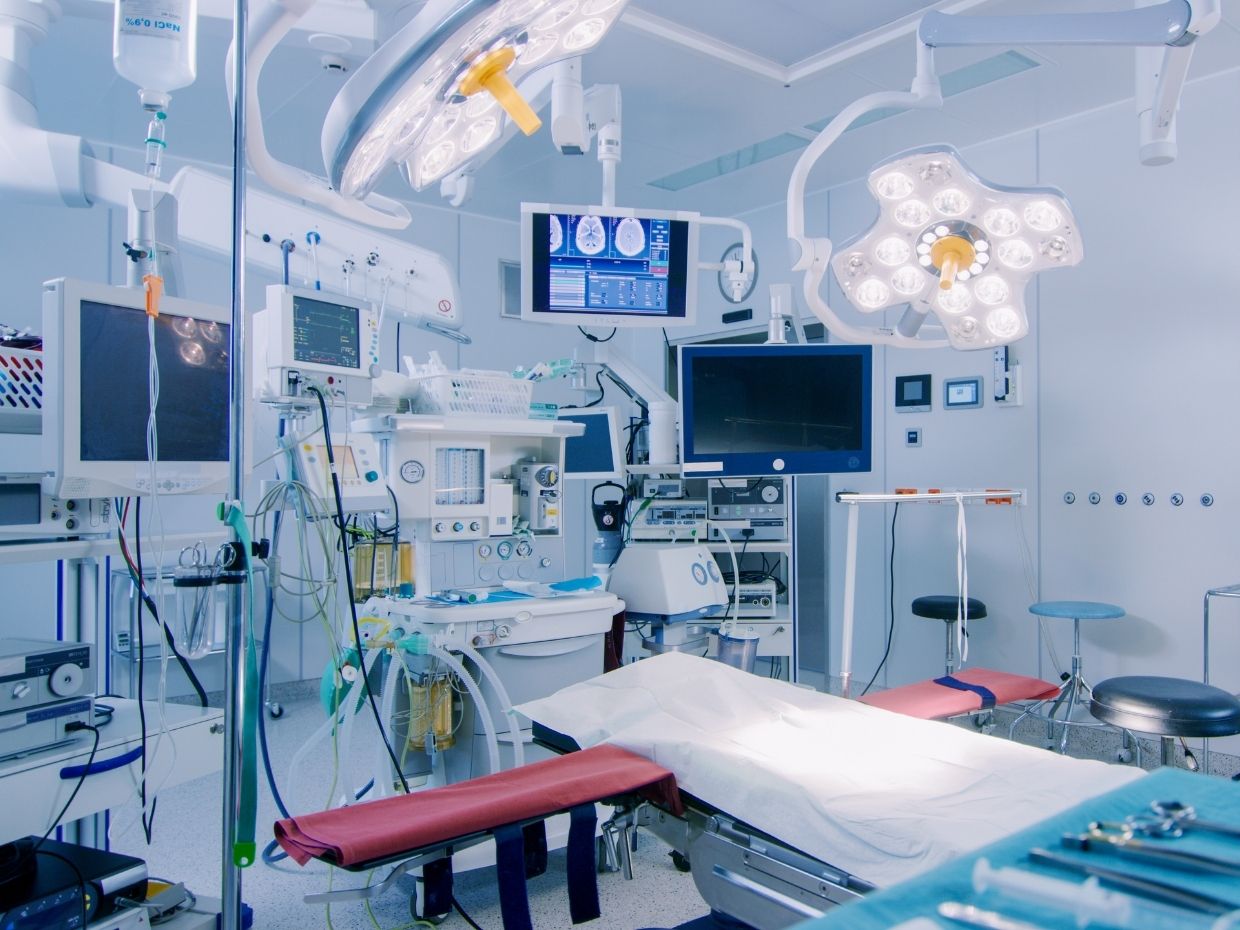
In the healthcare sector, medical equipment serves as the backbone of effective patient care. From diagnostic devices to therapeutic instruments, the reliability and accuracy of these tools can significantly influence patient outcomes. Therefore, regular maintenance of medical equipment is not just advisable; it is essential.
Why Regular Maintenance is Essential
- Ensuring Operational Accuracy Regular maintenance helps to preserve the precision and functionality of medical devices. For instance, devices like blood glucose monitors and digital thermometers require calibration to ensure they provide accurate readings. Inaccurate measurements can lead to misdiagnosis or inappropriate treatment plans, jeopardizing patient safety.
- Preventing Unforeseen Breakdowns Equipment failures can occur unexpectedly, often at the most critical times. Scheduled maintenance allows healthcare facilities to identify wear and tear, replace faulty components, and prevent breakdowns before they happen. This proactive approach minimizes costly downtime and ensures that healthcare providers have the necessary tools at their disposal.
- Compliance with Regulatory Standards The healthcare industry is governed by strict regulations regarding equipment maintenance and safety. Adhering to these guidelines not only protects patient safety but also helps facilities avoid potential legal ramifications and financial penalties. Regular maintenance records can serve as essential documentation during audits.
- Enhancing Patient Safety and Care Quality Properly maintained equipment is crucial for delivering high-quality care. Equipment malfunctions can lead to diagnostic errors, treatment delays, and even adverse events. By investing in routine maintenance, healthcare facilities can enhance overall patient safety, leading to better clinical outcomes.
Best Practices for Equipment Maintenance
- Develop a Maintenance Schedule: Create a detailed schedule that outlines when each piece of equipment should be inspected and serviced. This ensures that no device is overlooked.
- Train Staff: Ensure that all personnel understand the importance of equipment maintenance and are trained to recognize signs of malfunction.
- Utilize Technology: Leverage software solutions for tracking maintenance schedules, equipment performance, and service history to streamline processes.
Conclusion
Regular maintenance of medical equipment is an integral part of ensuring effective healthcare delivery. By prioritizing this practice, healthcare facilities not only comply with regulations but also significantly enhance patient safety and care quality. Investing in maintenance is an investment in patient health.